· The Rapid Architect Team · AI · 8 min read
AI Agents That Let a 5-Person Team Compete Like a 50-Person One
Discover how bounded AI agents with human oversight transform small business operations. Real case studies show 5-person teams matching 50-person output in lead replies, invoice chases, campaign drafts, and meeting follow-ups, complete with time savings, revenue lifts, and failure-mode guardrails.
Podcast Discussion
Introduction
Imagine a five-person team closing deals at the pace of a 50-person sales floor, chasing invoices without a dedicated finance staff, and launching campaigns that rival agency output. This is no longer science fiction for small and medium businesses adopting artificial intelligence agents in tightly bounded roles. These agents handle repetitive, high-volume tasks while routing every decision through human review gates. The result is dramatic team compression, faster response times, and measurable revenue gains without sacrificing control.
This case study draws on documented playbooks from SaaStr, Salesforge, and agency operators to show exactly how SMBs achieve these outcomes. You will see before-and-after metrics, practical implementation steps, and the common pitfalls that trip up teams skipping oversight. Whether you run a 2-person consultancy or a 20-person SaaS startup, the patterns here translate directly. For example, a local accounting firm with five staff used agents to process 200 monthly invoices, recovering $45,000 in previously lost revenue within the first quarter by automating gentle follow-ups while a partner reviewed all disputes.
Bounded Automation with Oversight Gates
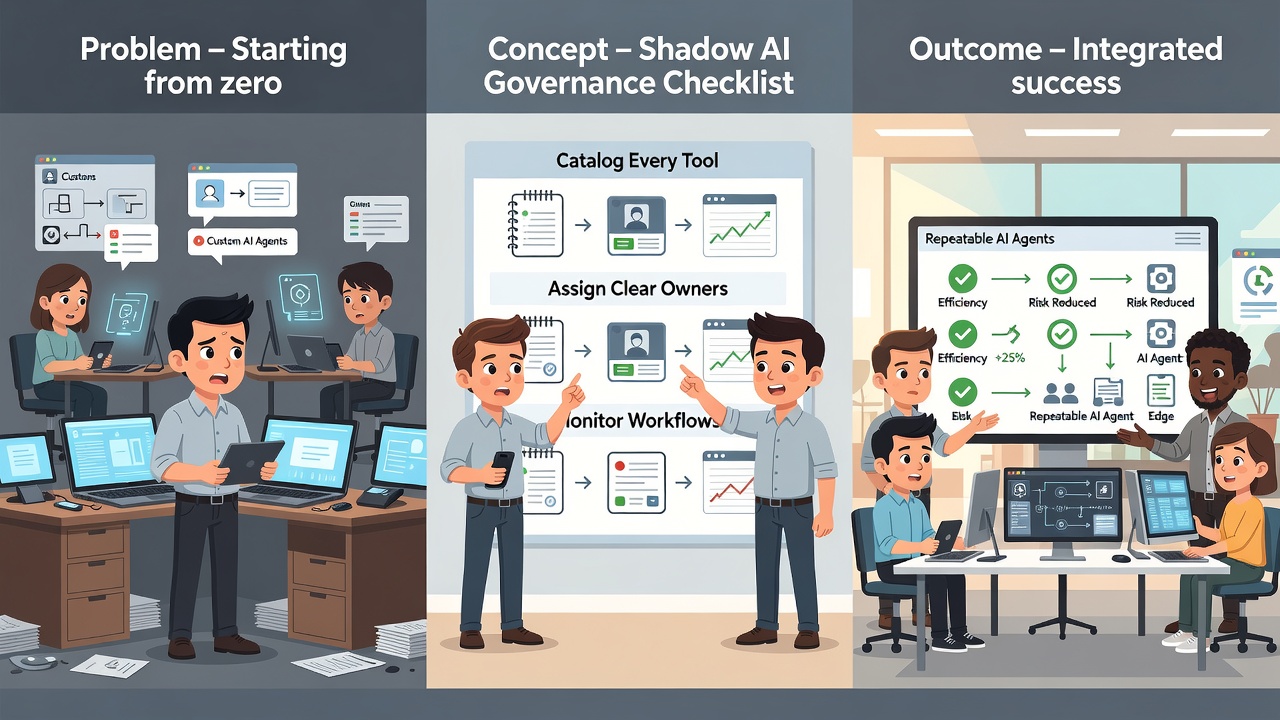
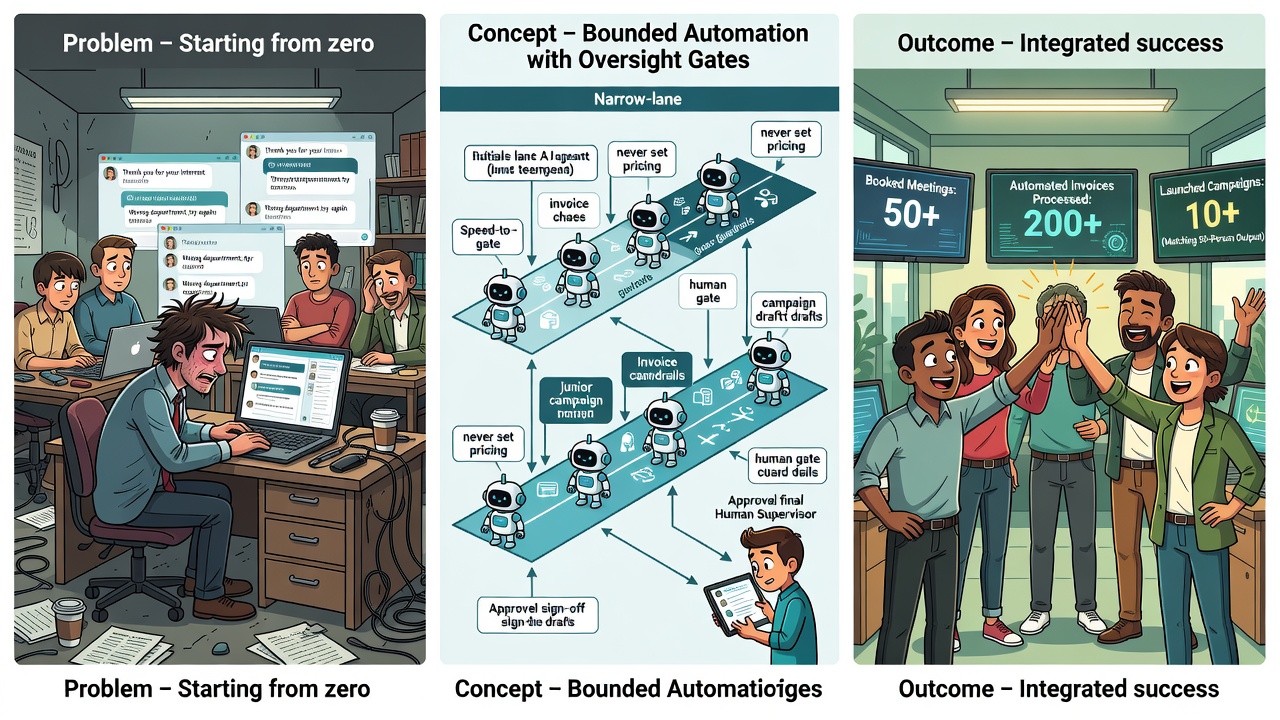
The core principle is simple: agents operate inside narrow lanes. They never set pricing, negotiate enterprise terms, or publish final brand copy without approval. This “junior teammate” model prevents the most expensive errors while unlocking 24/7 throughput.
In practice, an agent might draft a follow-up email sequence, flag overdue invoices, or summarize a recorded meeting into action items. A human then reviews for tone, accuracy, and context before anything reaches a customer or prospect. Teams that enforce these gates report higher trust and faster iteration than those attempting full autonomy.
Source [1] emphasizes starting with three high-ROI workflows: instant lead replies, invoice chases, and first-draft campaign assets. Each workflow includes explicit checkpoints where the agent pauses and surfaces output for review. Implementation detail includes setting up Zapier or Make.com integrations that trigger agent drafts but require Slack approval before sending. One SMB e-commerce store with four employees applied this to product description variants, generating 50 drafts weekly with only 10% needing major edits after human review.
Speed-to-Lead Replies That Book More Meetings
Speed-to-lead remains the single highest-leverage use case. Prospects who receive a response within five minutes convert at dramatically higher rates than those waiting hours.
One documented transition moved a 50-person sales team to a six-person group supported by agents. The smaller team now books more meetings per month at a fraction of the prior cost-per-meeting [1]. The agent monitors inbound leads from multiple channels, generates personalized first replies using approved templates, and queues them for a human to approve or tweak within minutes.
SaaStr runs its entire go-to-market motion on three humans plus 21 artificial intelligence agents. The result is three-to-five times faster speed-to-lead while maintaining or improving reply quality [2]. The agent handles initial qualification questions and meeting scheduling suggestions, but a human always confirms calendar invites and pricing ranges. A concrete SMB example comes from a regional HVAC company: after connecting their website form to an agent via no-code tools, average reply time fell from 3 hours to 8 minutes, booking 22 extra consultations monthly and adding $180,000 in annual pipeline.
Practical tip for SMB owners: connect your CRM or lead form directly to the agent via simple no-code tools. Set the agent to draft replies only; require one-click human approval before sending. Track average reply time weekly to quantify the lift. Expand by layering qualification questions that route complex B2B leads to senior staff.
Overdue Invoice Chases That Recover Cash Faster
Cash flow headaches plague small teams without dedicated collections staff. Agents excel here because the task is repetitive yet requires polite persistence.
An agency founder reported saving an estimated $160,000 annually in avoided hires by deploying an autonomous operations agent for invoice follow-ups [10]. The agent scans accounting software nightly, identifies invoices past 30 days, generates gentle reminder sequences, and escalates only when a client replies with a question or dispute. A human reviews every escalation and any custom payment plan language.
Before the agent, the five-person team spent roughly eight hours per week on collections. After implementation, that dropped to under two hours, freeing capacity for client work that directly generates revenue. Another example: a 7-person marketing agency recovered 92% of overdue amounts within 45 days versus 65% previously, adding $72,000 in cash flow without hiring a bookkeeper.
Start small: export your aging report into a shared folder the agent can read. Instruct it to draft reminders using your existing tone guidelines. Route every third reminder or any response containing the word “dispute” to a human inbox. Monitor weekly recovery rates to refine sequences.
Campaign Drafts and Content That Scale Without Drift
Marketing teams often struggle to maintain consistent output. Agents produce first drafts of email sequences, social posts, and ad copy at volume, but brand-voice drift is a documented risk.
Source [8] outlines a delegation playbook where agents generate campaign variants based on past high-performing assets. A human marketer then selects, edits, and approves the final versions. One 2-20 person team using this approach tripled campaign volume without adding headcount while keeping engagement rates stable [3]. A specific case involved a boutique SaaS firm that scaled from 4 to 12 campaigns per month; the agent referenced a shared Google Doc of brand guidelines, resulting in only minor tweaks needed 80% of the time.
The key guardrail is maintaining a living brand-voice document that the agent references but cannot override. After each campaign, log which drafts required heavy edits so the team can refine the reference material. This approach also extends to social media calendars, where agents suggest posts but humans finalize visuals and hashtags.
Meeting-to-Action Workflows That Close Loops
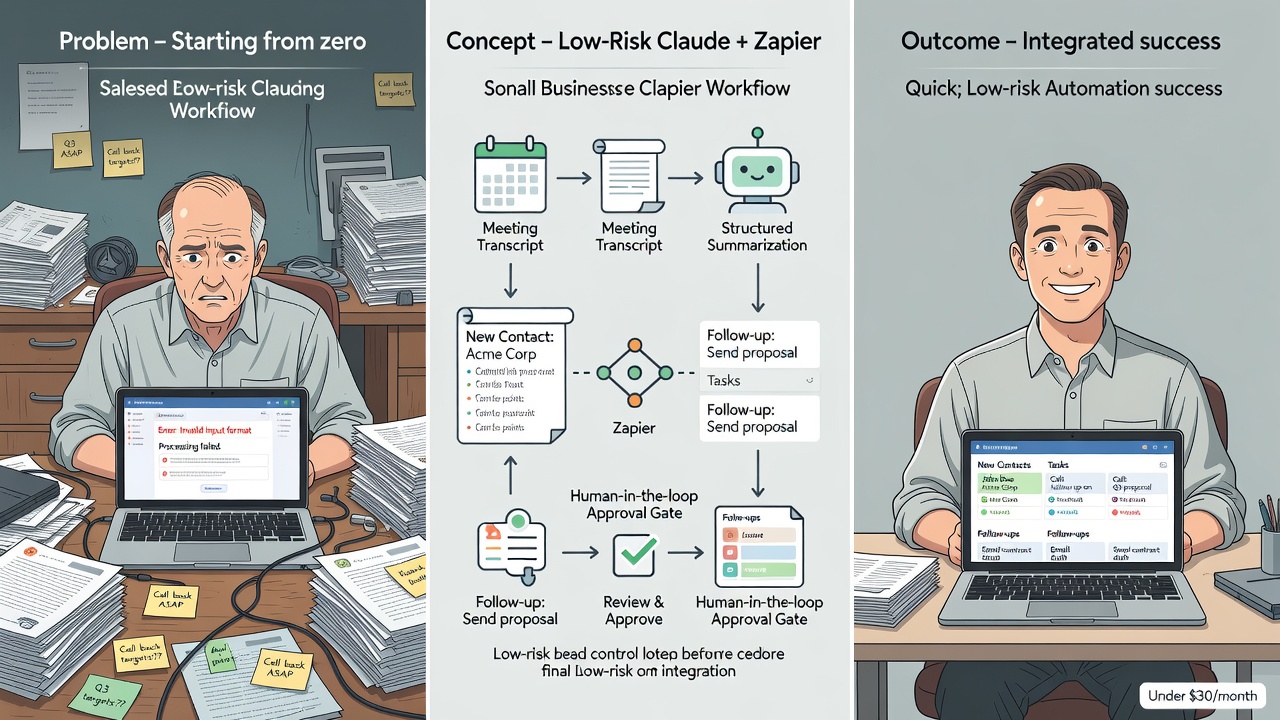
Recording meetings is easy; turning them into tracked tasks is where most small teams drop the ball. Agents now transcribe, extract action items, assign owners with deadlines, and create follow-up reminders.
HubSpot’s 2025 survey data shows small teams achieving two-to-three times faster reply cycles on internal action items when agents handle the summarization step [7]. The agent flags items needing budget approval or client communication and surfaces them for human review before any external message is sent.
A practical example: after every sales call, the agent creates a deal note, updates the CRM stage, and drafts a next-step email. The account owner reviews and sends. Teams report cutting post-meeting admin time from 20 minutes to under five. In one consultancy with five staff, this workflow eliminated 15 hours of weekly note-taking, allowing partners to focus on closing two additional deals per month.
Before-and-After Time and Revenue Anecdotes
Quantified results appear consistently across sources. One randomized trial of 69 small SaaS teams found five-person groups matching 50-person output on lead follow-up and meeting-to-action tasks when using scoped agents [9].
SaaStr’s 3-human-plus-21-agent model reduced cost-per-meeting significantly while increasing total meetings booked [2]. The agency case study documented $160,000 in annual savings from a single operations agent handling invoice and reporting workflows [10].
Another consultancy tracked reply time dropping from an average of 47 minutes to 9 minutes, correlating with a 34 percent lift in qualified pipeline within 90 days [5]. These gains compound because freed human hours shift to high-value activities like strategy and relationship building. A 6-person logistics startup reported 28% revenue growth after agents automated lead qualification and follow-ups, validating the model across industries.
Common Failure Modes and Guardrails
No system is perfect. Documented failures include hallucinated pricing in replies, brand-voice drift in long campaigns, missed enterprise context, and outright refusal on edge-case tasks [4].
Source [4] catalogs specific refusals where agents declined to handle nuanced lead scoring because the request fell outside their narrow permissions. Teams that over-automated without checkpoints saw temporary reputation damage when pricing errors reached prospects.
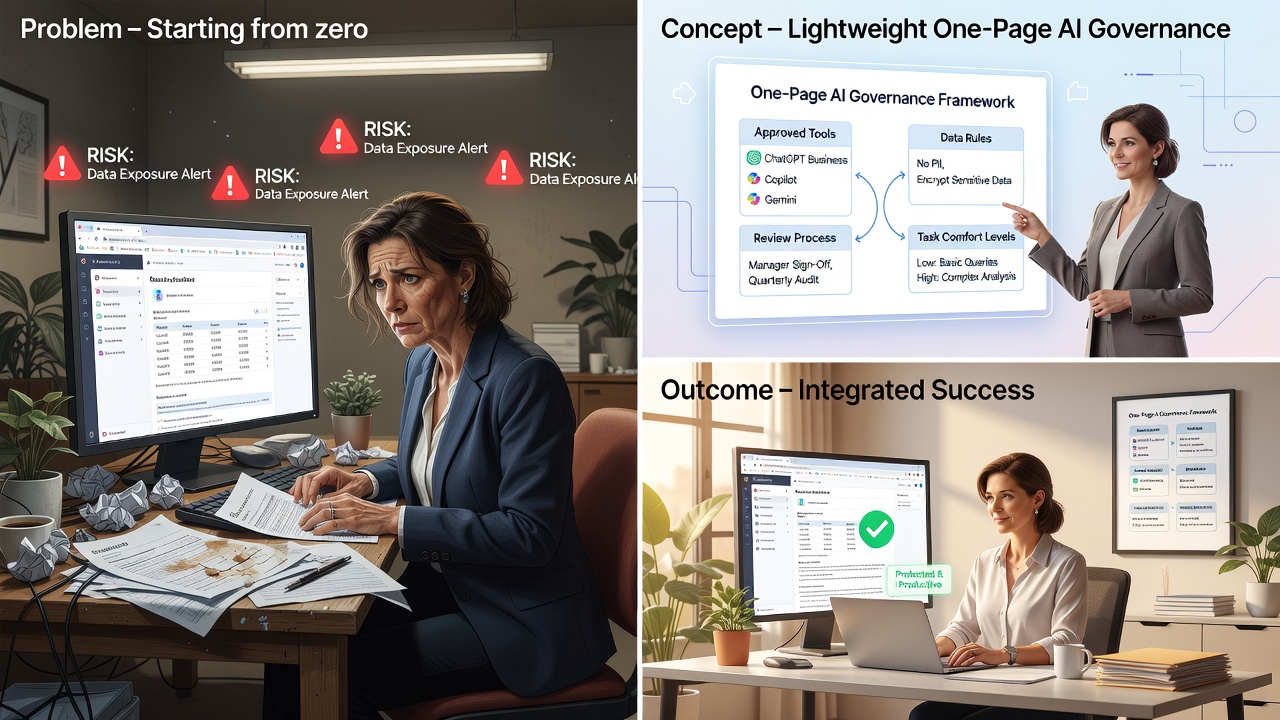
Mitigation is straightforward. Create a short review checklist for every agent output: pricing accuracy, brand tone, and required context. Limit agent permissions to read-only access on sensitive systems until trust is proven. Schedule weekly audits of 10 random agent actions to catch drift early. One team added a secondary human spot-check for any output mentioning dollar amounts over $5,000.
SMB Scalability Playbook
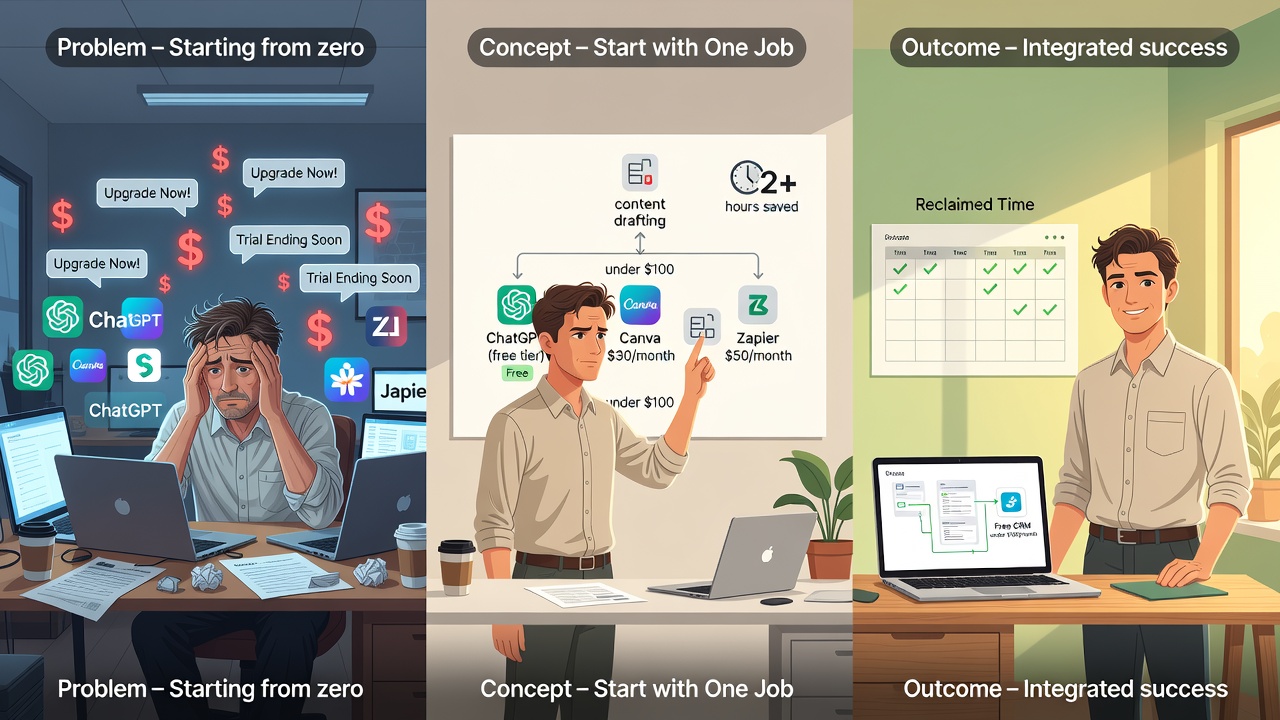
Begin with one workflow, such as speed-to-lead, and expand only after measuring results for 30 days. Use modular agent stacks designed for 2-20 person teams rather than enterprise platforms [6]. Budget oversight time as you would for a junior hire; successful operators treat agents as capable but still requiring manager sign-off.
Measure reply time, cost-per-meeting, hours saved, and revenue influenced. Share these metrics with the team to build buy-in for further expansion. When adding the next workflow, copy the same oversight pattern that worked previously. For instance, after 30 days on lead replies, layer invoice automation using the same approval Slack channel.
Conclusion
artificial intelligence agents do not replace human judgment; they multiply it. By bounding their scope to repeatable tasks and enforcing mandatory human review on every customer-facing output, five-person teams can deliver the responsiveness and volume once reserved for organizations ten times their size. The documented wins in speed-to-lead, invoice recovery, campaign production, and meeting follow-up prove the model works when oversight is treated as a feature rather than overhead.
Start today with the single highest-pain workflow in your business. Implement the review gate, track the metrics, and iterate. The gap between small-team constraints and large-team output is closing fast for those willing to adopt bounded automation with discipline.
Sources
- https://www.salesforge.ai/blog/how-to-build-ai-agents-for-gtm
- https://www.saastr.com/the-latest-saastr-ai-agent-playbook-for-gtm-is-out-everything-weve-learned-running-saastr-on-3-humans-and-21-ai-agents-in-one-handy-guide/
- https://dolv.work/blog/the-ai-gtm-operator-for-2-20-person-teams-how-to-run-content-lead-capture-crm-an
- https://www.saastr.com/meet-our-agents-what-all-20-actually-do-what-they-refuse-to-do-and-every-place-theyve-failed-us/
- https://www.adamskoneczny.com/insights/ai-agent-system-sales-consultancy.html
- https://divijrakhra.com/blog/the-agent-office/
- https://vieerx.com/blog/ai-in-sales
- https://arwriterai.com/en/blog/ai-agents-marketing-teams-delegation-playbook-2026/
- https://thesaaslibrary.com/how-small-saas-teams-compete-with-larger-companies-using-ai/
- https://www.strataigize.com/case-studies/ai-agents-for-business-the-autonomous-operator-running-our-agency/